Beachside Dance Socials in Dún Laoghaire
Dancing by the sea isn't just about the music — it's the energy of the Atlantic, the salt air, and community gathered on golden sand. This guide covers everything you need to know about Dún Laoghaire's beachside socials.

Why Dún Laoghaire Became a Dance Hub
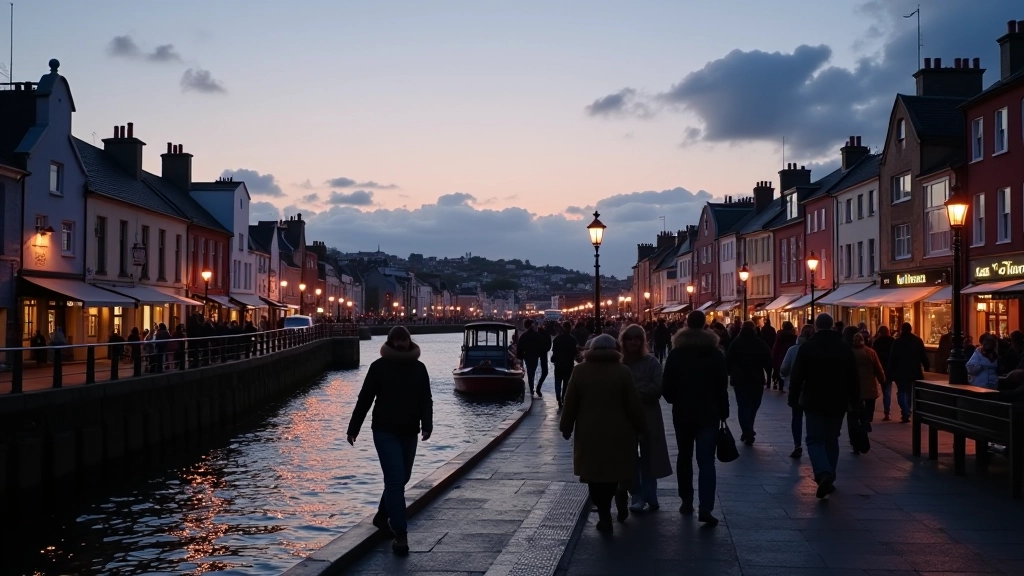
There's something about dancing with your feet on sand and the Irish Sea stretching to the horizon. Dún Laoghaire's pier and beaches have quietly become one of Ireland's best-kept secrets for weekend dance socials. It started small — a group of friends who'd meet Friday evenings — and now it's grown into something that attracts dancers from Dublin, Wicklow, and beyond.
The town's location is perfect. The seafront is protected, relatively sheltered even when Atlantic winds pick up, and there's enough space for 40-60 dancers without feeling crowded. Plus, you've got cafés nearby, proper bathrooms, and parking that doesn't cost your entire evening budget.
3
Peak Dance Seasons
Spring through autumn, with summer weekends being most active
40+
Regular Attendees
Mix of beginners, improvers, and experienced dancers, mostly 40s-60s
2
Main Event Times
Friday evenings (7-10pm) and Sunday afternoons (2-5pm)
When to Go: Timing & Weather
Friday evenings are the main event. You'll find dancers gathering around 7pm, with the real momentum building by 8pm. Most wrap up by 10pm, though some stay later if the energy's good and the weather holds.
Sunday afternoons are becoming increasingly popular — there's something special about dancing in daylight with families walking the pier. The vibe's more relaxed, perfect if you're not an evening person or you've got commitments later.
Seasonal Sweet Spots
- May-June: Best weather, longest daylight, water's warming up. You'll see the biggest crowds.
- July-August: Hot but unpredictable. Some Fridays are perfect, others the Atlantic wind kicks in. Go prepared.
- September-October: Golden light, calmer water, smaller but dedicated groups. Many say it's the best time.
- Winter: Occasional socials on mild days, but mostly it's too cold and wet. Indoor venues take over.
What to Bring & Wear
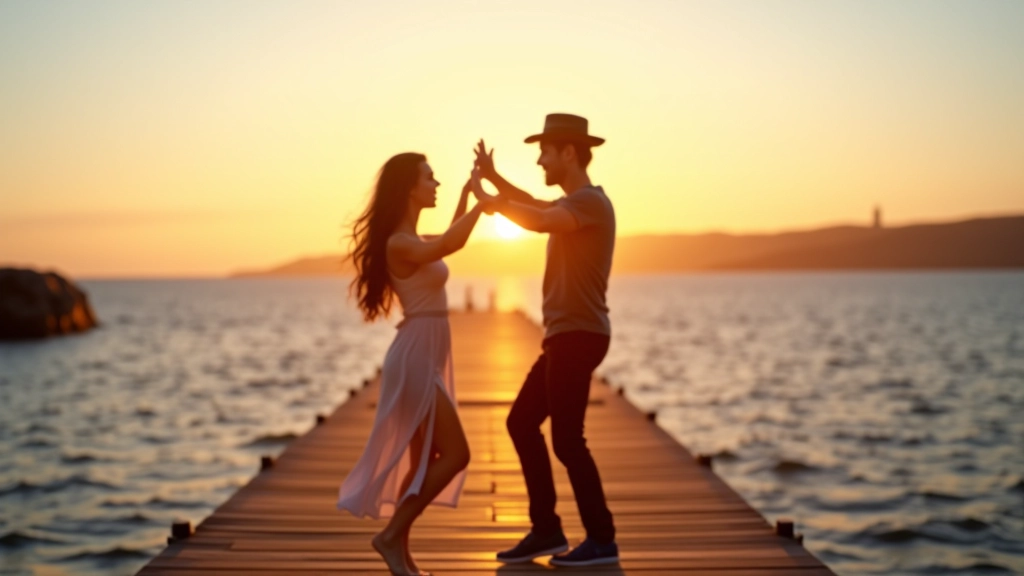
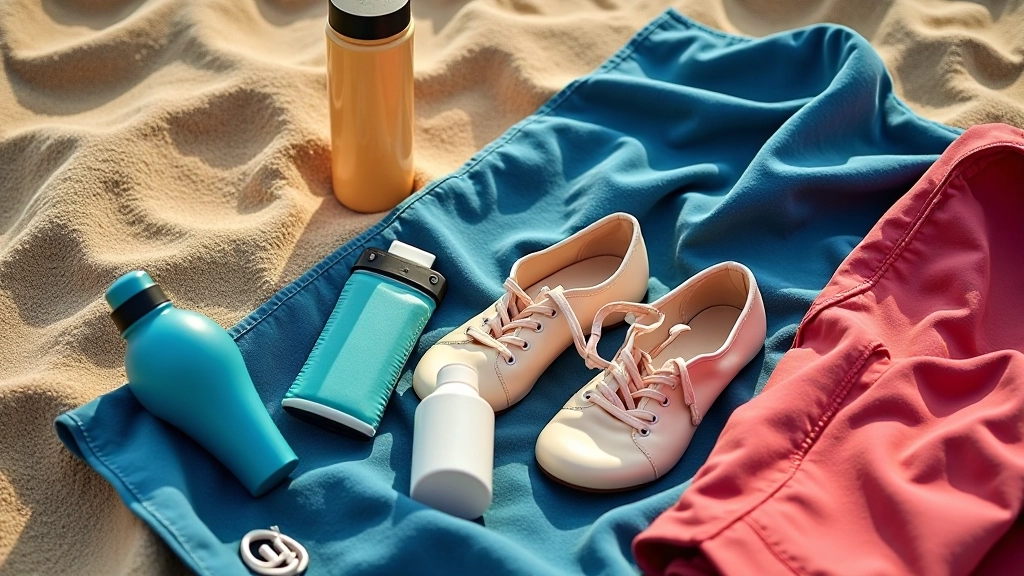
Here's where beachside dancing differs from indoor socials. You're dealing with sand, potential wind, and that Atlantic air. Most people wear whatever they'd normally dance in — smooth-soled shoes are essential, as sand absolutely destroys rubber-soled trainers — but you'll want a light jacket or cardigan nearby.
Essential Packing List
Dance shoes with smooth soles (leather or suede)
Lightweight jacket or sweater
Water bottle (you'll dehydrate faster on sand)
Sunscreen (reflected light off water and sand)
Small towel or cloth for wiping sand off feet
Phone in waterproof case (sea spray)
Don't overthink the clothing. You'll see everything from dance pants to shorts, casual tops to structured shirts. The vibe's relaxed — it's about dancing, not looking perfect. Sand in your shoe? Part of the experience. Wind messing your hair? Everyone's dealing with it.
What the Experience Actually Feels Like
You'll arrive around 6:45pm, park near the seafront, and walk toward the pier. You'll probably hear the music before you see the dancers — a speaker system that's surprisingly good for outdoor conditions. The first thing you notice is the space. Unlike a packed studio, there's room to move, to extend your arms, to actually dance instead of shuffle in place.
The sand takes adjustment. It's softer than a wooden floor, which means your feet sink slightly with each step. Your ankles work harder. Your balance shifts. But after 10 minutes, your body adapts. Dancers tend to gravitate toward the firmer sand closer to the water's edge, where there's better footing.
"The first time I danced on the beach, I thought my feet would disappear. But there's something about that instability — it makes you more present, more connected to your partner. You can't get lazy or autopilot your steps."
— Dermot, 52
Music rotation is typically kizomba and salsa, sometimes some zouk. Beginner-friendly tracks in the first hour, progressively more complex as the evening goes on. You'll see people rotating partners regularly — it's very social. No wallflowers, no pressure. Want to sit one out? Perfectly fine.


The Community & Social Element
You'll quickly notice it's the same faces showing up week after week. There's genuine community here. People know each other, ask about each other's lives, remember you're the person learning salsa turns. It's not cliquish — newcomers are genuinely welcomed — but it's also not transactional. These aren't just dance partners; they're becoming friends.
The age range is mostly 40s through 60s, which changes the whole vibe compared to younger dance scenes. There's patience, humor, and a real emphasis on technique and connection rather than flashiness. You'll hear people discussing their grandkids between songs, and that's completely normal.
Real Talk About Skill Levels
Don't worry about not being good enough. Honestly. You'll find complete beginners dancing alongside people who've trained for years, and it works because everyone's focused on having fun, not showing off. If you mess up a turn, your partner laughs it off. If you forget the basic, you reset and keep going. That's the culture here.
Practical Details You'll Actually Need
Location
The main gathering spot shifts slightly with season and tide, but it's always along the seafront promenade between the pier and the shingle beach. Look for the sound system and people in dance shoes.
Parking & Access
Free parking along the seafront or in the pay lot just behind. The promenade is flat and fully accessible — there's no scrambling down rocks or anything. Bathrooms are available at the café buildings nearby.
Music & Sound
The group brings a portable speaker system. Quality's solid for outdoor use, but you won't get concert-level sound. It's sufficient for everyone to hear leads and follows each other.
Group Coordination
Most groups coordinate via WhatsApp or Facebook. Search "Dún Laoghaire Beach Socials" or ask at a Friday gathering — they'll add you to the group chat where they announce schedule changes and special events.

Getting Started Is Simple
You don't need permission, advance booking, or special equipment. Just show up on a Friday evening around 7pm, wear clothes you can move in, bring smooth-soled dance shoes, and join in. The first time might feel a bit overwhelming — new place, new people, sand under your feet — but that feeling passes quickly. By your second visit, you'll have familiar faces to dance with. By your third, you'll know where the firm sand is and which song rotations you prefer.
Beachside dancing isn't about being the best dancer. It's about moving your body, feeling the music, connecting with other people, and getting the Atlantic wind in your hair. If that sounds good to you, you're already the right person to be there.
Disclaimer
This guide provides educational information about beachside dance socials in Dún Laoghaire based on community practices and seasonal patterns. Specific event schedules, locations, and organizers may change. Always check with local organizers for current dates and details before planning your visit. Weather conditions, tide times, and beach access can vary — it's your responsibility to assess conditions and dance safely. Dance involves physical activity; if you have health concerns, consult a healthcare provider before participating.
Explore More Dance Guides