Finding Your People in Unexpected Places
Síle moved to Dún Laoghaire in 2021 after retiring. She'd danced salsa in her twenties but hadn't been to a class in decades. When she found out there was a Thursday night group meeting above the library, she almost didn't go. "I thought everyone would be 25 and fit," she said. Instead she found fifteen people, most in their fifties and sixties, just wanting to move and laugh together.
That Thursday group has become the social center of her week. It's not because they're brilliant dancers — they're not. It's because there's no pressure. Someone messes up a step, everyone laughs. The music's too fast, they slow it down. It's flexible and real, which is what you actually want when you're trying something new.
The Coastal Town Advantage
- Smaller venues mean fewer eyes watching — less pressure to be perfect
- Regular dancers become familiar faces — you build actual friendships
- Classes and socials work around local schedules, not tourists
- You're the "experienced" dancer in a year, not the beginner for five years
Building Something from Nothing
Most coastal dance groups didn't start with professional organizers or funding. They started with one person — someone like Aoife in Kinsale, who'd learned kizomba in Lisbon and thought her small Cork town might be interested. She posted on a local Facebook group. Eight people showed up to her first session in a village hall.
That was three years ago. Now there's a Thursday evening class (20 people), a Sunday morning social (25-30), and they've organized two workshops with visiting instructors from Dublin. The remarkable part? Aoife still teaches it in the same village hall. There's no fancy studio. There's just commitment and people who want to be there.
What Actually Happens at These Groups
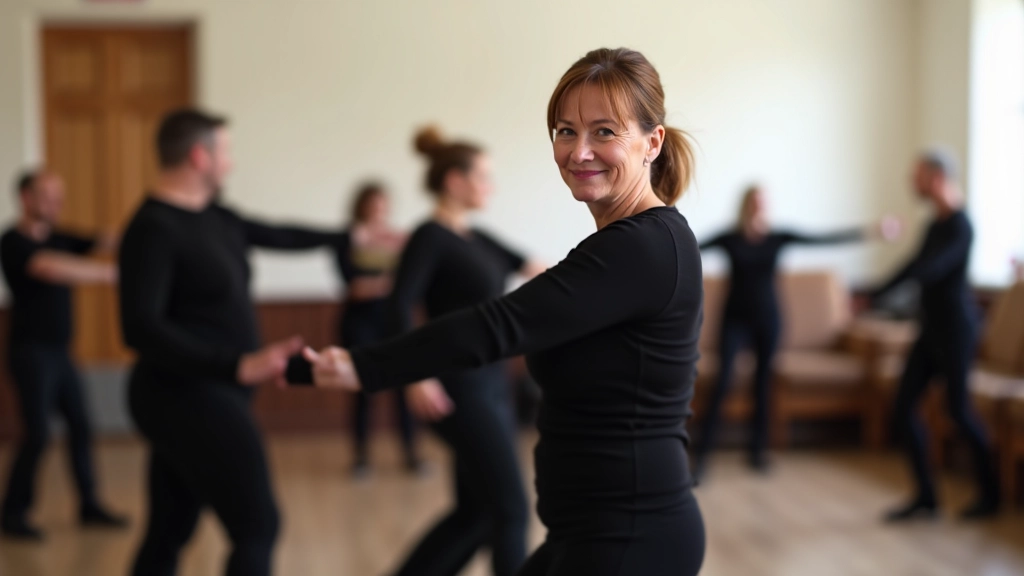
If you've never been to a coastal town dance social, here's what it's actually like. Most groups run weekly classes — usually 60 to 90 minutes — followed by an informal social. You don't need a partner. You don't need previous experience. You show up, you learn a few patterns, and then you dance with whoever's there.
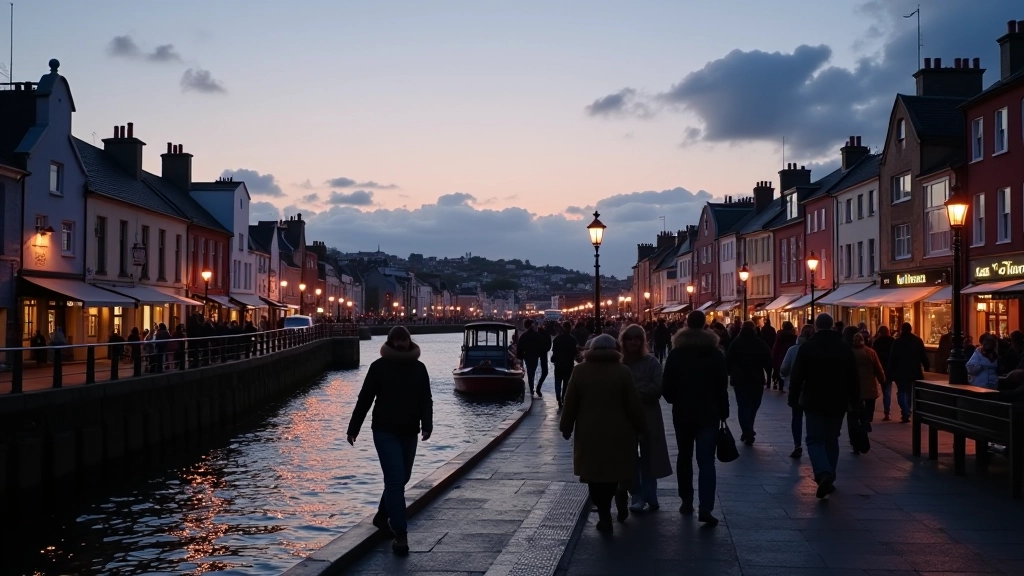
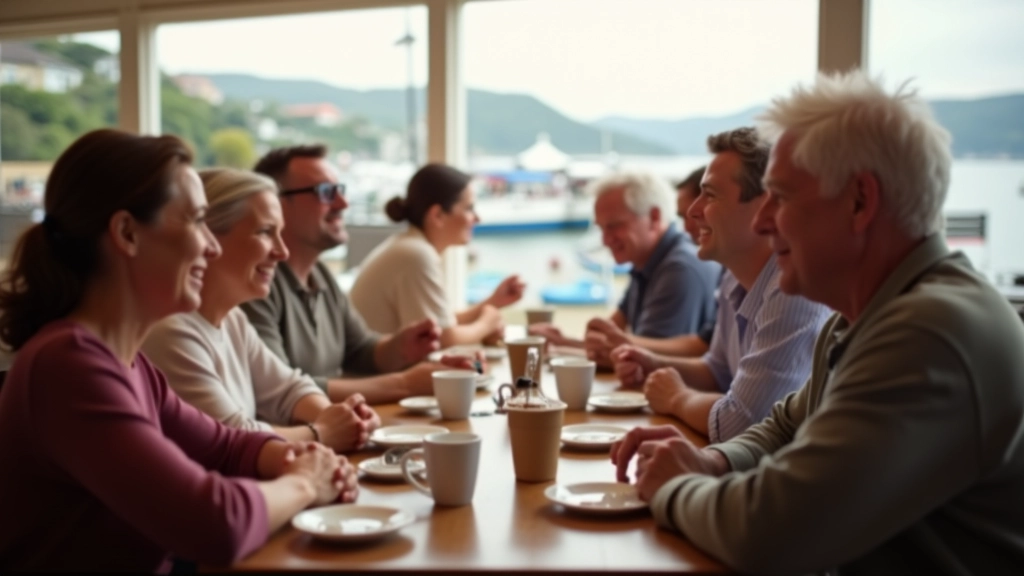
The social part matters as much as the dancing. After class in Westport, people go to the local café. In Dún Laoghaire, there's often a walk along the pier before heading to the pub. These aren't separate from the dancing — they're part of the same community. You're not just learning steps. You're becoming part of something.
The Rhythm of Weekly Gatherings
Most groups meet once or twice a week. The consistency is important. You know where you'll be on Thursday evening. You know who'll be there. There's no wondering if it's still happening or if it's worth the drive. It just is.
The instructors in these towns are usually local dancers who've taken extra training. They're not celebrities. They're people you bump into at the supermarket. Some teach for free, some charge a small fee (usually €5-7) to cover hall rental. The point is it's accessible. You're not investing hundreds of euros just to try something.
Real Stories, Real Changes
Marcus hadn't danced since he was young. He moved to a small town on the west coast after his divorce and felt pretty isolated. A friend mentioned the Tuesday night kizomba group. "I was nervous," he said. "I thought I'd be rubbish at it." Within three weeks, he wasn't thinking about being rubbish anymore. He was focused on the music and the person he was dancing with. After two months, he realized he was smiling more than he had in years.
That's not unusual in these communities. People come for the dancing. They stay for the belonging. The confidence boost is real — you're learning a new skill, you're moving your body, you're getting better at something. But it's the friendships that stick. It's the Wednesday night ritual. It's having plans and people who are genuinely glad you showed up.
"I wasn't looking to make friends. I was just looking for something to do on a Friday night. But after a few weeks, these people felt like family. We text during the week. We know each other's kids and grandkids. That's not something I expected from a dance class."
— Catherine, Dún Laoghaire
How to Find or Start Your Own Group
Not every coastal town has an established group yet. If you're in one that doesn't, starting something small is more realistic than you might think. You don't need a studio or fancy equipment. You need a space (community hall, church basement, even a cleared-out café), some basic music, and confidence to invite a few people.
Post in local Facebook groups. Ask at the community center. Talk to people at the gym or the library. You'd be surprised how many people are waiting for exactly this. In Kinsale, Aoife's group started because eight people saw one Facebook post. Now it's one of the most active dance communities in rural Ireland.
Starting Small, Growing Naturally
The best groups grow slowly. A core group of ten people who show up consistently beats a hundred people who come once. Focus on building something sustainable — a regular time, a reliable space, affordable cost, and a welcoming vibe. Everything else follows.
If you're looking for an existing group, search "kizomba [your town]" or "salsa Ireland" on Facebook. Ask at local tourism offices or community centers. Many groups aren't heavily promoted online — they rely on word-of-mouth, which means if you know to look, you'll find them.
Why This Matters
Dance communities in coastal towns aren't just about the dancing. They're about showing up, belonging, and discovering that you're capable of more than you thought. They're about proving that you don't need to live in Dublin or Cork to have an active, engaged social life. They're about the quiet revolution happening in villages across Ireland, where people over 45 are redefining what's possible.
Movement connects us. Dance is just one way that happens. In these smaller towns, dance has become the thread that ties communities together. It's worth finding. It's worth starting. It's worth showing up for.